
Social dance discovery guide
Jeju Exchange Student: Low-Pressure Ways to Make Friends (With a Bachata Option)
Repeatable communities beat one-off plans—here’s how to start small, show up solo, and use Social Dance Live to find beginner-friendly nights in Jeju.
If you’ve just arrived in Jeju for an exchange semester (or a short stay), making friends can feel oddly difficult—people are spread out, schedules don’t match, and language anxiety is real. This draft guide focuses on low-pressure, repeatable ways to meet people, then shows how bachata social dance can be one structured option where you can come alone. You’ll also get a simple path for using Social Dance Live to find Jeju bachata-related posters, understand “class + social” formats, and pick a
If you’re searching “Jeju exchange student make friends”, you’re probably not looking for a huge nightlife scene—you want a repeatable, low-pressure way to meet the same people again.
In Jeju, that can take a minute: people live in different areas, many groups organize in Korean-first channels, and it’s easy to end up with one-time hangouts that don’t turn into a circle.
Why making friends in Jeju feels harder at first (and what to look for instead)
A useful goal isn’t “meet lots of people this week.” It’s find 1–2 activities you can repeat—with clear start times, a predictable format, and a built-in reason to talk.
When you’re new (and possibly solo), look for activities that are:
- Structured (class, meetup with a start time, recurring club)
- Beginner-friendly (newcomers expected, not “everyone already knows everyone”)
- Repeatable (weekly/biweekly > one-off)
- Low language friction (simple instructions, or at least clear logistics)
A short list of low-pressure community options (choose 1–2 to start)
You don’t need the “perfect” group. Pick one weekday option + one weekend option and try them 2–3 times.
1) Language exchange / international meetups
- What to search: “Jeju language exchange”, “international meetup Jeju”, “Jeju social groups for foreigners”
- What to ask: location, start time, how newcomers join, whether English is common
- What to bring: a simple self-introduction + one question you can repeat ("What brought you to Jeju?")
2) University / campus clubs (if you have access)
- What to ask: whether non-Korean speakers can join, whether there’s an orientation session, membership steps
- Pro tip: clubs with practice sessions (sports, dance, music) create natural repetition.
3) Hobby classes with a fixed schedule This is the “show up, do the thing, talk after” model.
- What to look for: beginner course blocks, drop-in options, small-group formats
- What to ask: level, what to wear, whether you can join mid-month
4) Volunteering (recurring > one-time)
- What to ask: minimum commitment, language requirements, where volunteers meet
- Why it works: shared responsibility makes conversation easier.
5) Coworking / community boards (good for quick connections)
- What to look for: bulletin boards, recurring community nights, interest chats
- What to ask: regular events calendar, how to RSVP
If you want one option that’s especially good for showing up alone and meeting people fast, consider social dance—specifically bachata.
Why social dance works for meeting people (even if you’re shy and came alone)
Social partner dance is often misunderstood as “going out.” For beginners, it’s usually closer to a structured hobby night:
- Many events run “class + social” (a lesson first, then open dancing)
- You typically don’t need a partner—people rotate or invite each other
- You can join at your own pace: watch a song, dance one, take breaks
Bachata is popular for beginners because the basics are approachable, and communities often include newcomers. Still, each night is different—so you’ll want to check the poster details before you commit.
How to find bachata nights and classes in Jeju using Social Dance Live
Use Social Dance Live as your “what’s actually happening” discovery layer—especially helpful when you don’t want to dig through multiple apps in Korean.
- Start with the Jeju city discovery feed and scan what’s upcoming:
- Jeju social dance posters on Social Dance Live)
- Narrow to bachata (many Jeju posters are mixed salsa + bachata; that still works if you want bachata time on the floor):
- Bachata posters on Social Dance Live)
- Open a poster and look for the 5 fields that reduce first-time stress:
- Start time (and whether there’s a beginner class first)
- Venue name / location label (Jeju vs Seogwipo matters for transport)
- Format (workshop, social, party, festival)
- Entry note (cover/door info, RSVP mention—if shown)
- Language cues (EN/KR notes—if shown)
Here are Jeju-based examples you can use to learn what posters typically show (details can change, so always re-check the poster page):
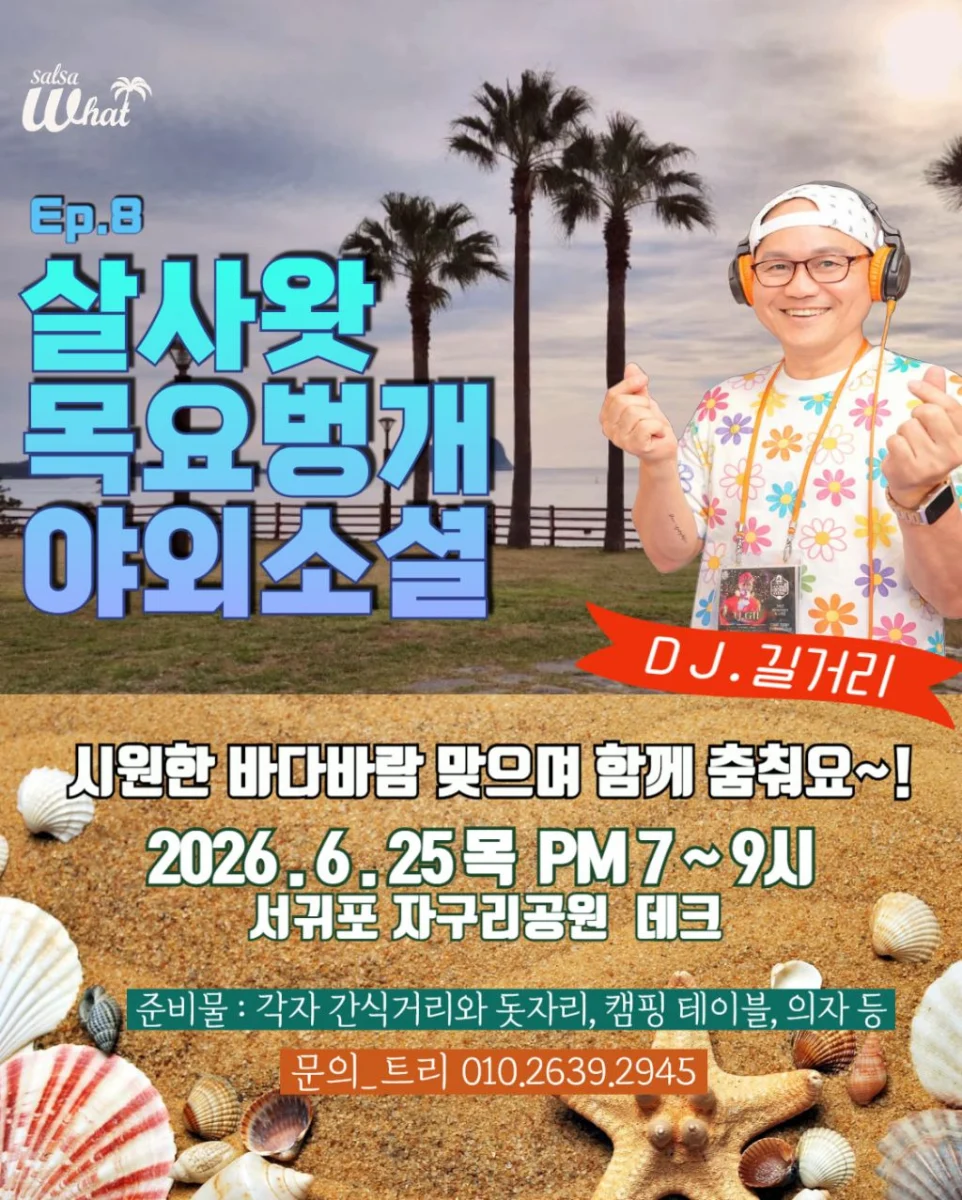
- Mixed salsa + bachata meetup style poster: Jeju Salsa & Bachata Social/Class poster)
- Jeju venue surface (useful for seeing what else is tagged there): Havana (하바나) venue page venue page](/venues/south-korea-jeju-0b2d76e8))
- Bachata-specific festival listing (good for planning ahead): Asia Bachata Paradise Jeju poster)
> Note: Live “atmosphere updates” may not always be available for Jeju. If you see an update, use it as a timing hint (early vs late, calm vs busy). If you don’t, rely on poster time/location and aim to arrive early for the class portion.
First-time checklist: going solo, messaging the host, and choosing the right night
If you’re solo and nervous, your best move is to reduce uncertainty before you go.
Choose the right format
- If you’re brand new: prefer class + social over “party only.”
- If you’re tired after class/work: choose a night with a clear start time and a shorter plan (arrive, do the class, stay 30–60 minutes).
A simple DM you can copy (polite and Korea-friendly) “Hi! I’m new in Jeju and interested in bachata. Is there a beginner class before the social? Is it okay to come solo? And is English okay for basic info?”
Arrive timing (low-pressure strategy)
- Aim for the start of the beginner class if listed. That’s when newcomers are expected.
- If you only want to observe first, arrive a bit early, check the venue sign/entrance, and decide.
Boundaries (normal and respected in healthy scenes)
- You can say: “No, thank you,” or “Maybe later.”
- You can take breaks anytime.
- If something feels off, you’re allowed to leave—no long explanation needed.
Make it a routine: turning one night into real friends (without forcing it)
Friendships come from repetition plus tiny follow-ups.
- Go to the same series 2–3 times (instead of chasing a different plan every weekend).
- Learn two names per night and say hi next time.
- After class, ask one simple question: “Do you usually come here on this day?”
- If you click with someone, invite a low-pressure follow-up: “Coffee after class next week?”
When you want to plan your next week, start here and work outward:
- Browse what’s tagged in Jeju: Jeju city feed)
- If bachata is your anchor: Bachata discovery feed)
This is a draft for admin review, so if you’d like it even more exchange-student specific (campus timing, dorm routines, transport constraints), we can tighten the decision paths without adding any unverified event claims.